

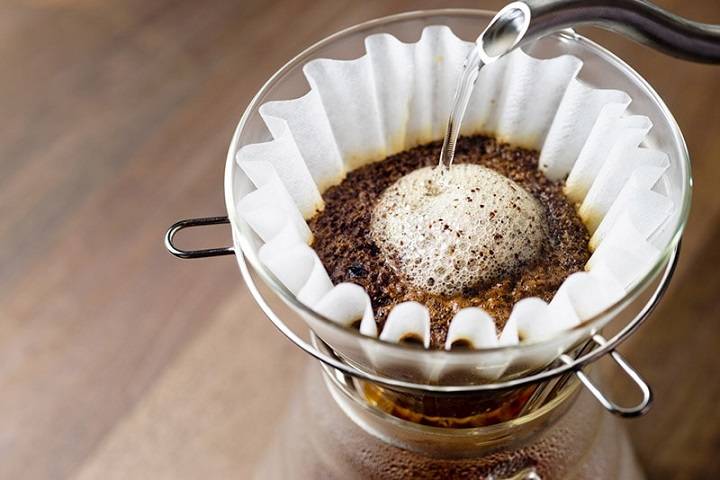
Filter coffee, also known as drip coffee, is a beloved beverage enjoyed by millions around the world for its rich aroma, robust flavor, and invigorating effects. Made by passing hot water through ground coffee beans, filter coffee offers a convenient and customizable brewing method that allows coffee enthusiasts to tailor their brew to their preferred strength and taste. In this comprehensive guide, we delve into the world of filter coffee, exploring its caffeine content, brewing techniques, flavor profile, potential health benefits, and considerations for consumption.
The Basics of Filter Coffee:

Filter coffee is made by pouring hot water over ground coffee beans contained in a filter or brewing basket. As the water passes through the coffee grounds, it extracts the flavors and compounds from the beans, resulting in a flavorful and aromatic beverage. The brewed coffee then drips into a carafe or pot below, ready to be served and enjoyed.
Understanding Caffeine Content in Filter Coffee:
Caffeine is a natural stimulant found in coffee beans, providing the characteristic energy-boosting effects that coffee drinkers seek. The caffeine content in filter coffee can vary depending on several factors, including:
- Type of Coffee Beans: Different varieties of coffee beans contain varying levels of caffeine. Arabica beans, known for their smooth and mellow flavor, typically have lower caffeine content compared to Robusta beans, which are prized for their bold and robust taste.
- Brewing Method: The caffeine content in filter coffee can also be influenced by the brewing method employed. Factors such as water temperature, brewing time, and coffee-to-water ratio can all impact the final caffeine concentration in the brewed beverage.
- Coffee-to-Water Ratio: Adjusting the ratio of coffee grounds to water during brewing can result in a stronger or weaker brew, which in turn affects the caffeine content. A higher coffee-to-water ratio will yield a more potent brew with increased caffeine concentration.
Caffeine Content in Filter Coffee:
On average, a standard 8-ounce cup of filter coffee contains approximately 95 milligrams of caffeine. However, this value can vary depending on the factors mentioned above. Generally, Robusta beans contain more caffeine than Arabica beans, so filter coffees made with Robusta beans may have higher caffeine content.
Brewing Techniques for Optimal Flavor and Caffeine Extraction:
To achieve the perfect cup of filter coffee, it’s essential to pay attention to brewing techniques that maximize flavor extraction and caffeine content. Here are some tips for brewing delicious filter coffee:
- Grind Size: The grind size of the coffee beans plays a crucial role in flavor extraction. For filter coffee, a medium grind is typically recommended, as it allows for optimal extraction without over-extracting or under-extracting the coffee grounds.
- Water Temperature: The ideal water temperature for brewing filter coffee is between 195°F and 205°F (90°C to 96°C). Water that is too hot can result in a bitter taste, while water that is too cold may not extract enough flavor from the coffee grounds.
- Brewing Time: The brewing time for filter coffee can vary depending on personal preference and the brewing method used. On average, brewing for 4 to 6 minutes is recommended to achieve a balanced and flavorful cup of coffee.
Flavor Profile of Filter Coffee:
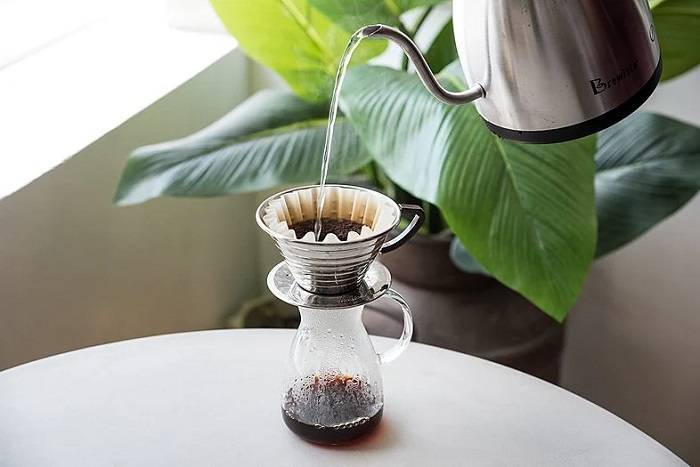
Filter coffee is prized for its smooth and balanced flavor profile, which can vary depending on factors such as coffee bean origin, roast level, and brewing method. Common flavor notes found in filter coffee include:
- Rich and bold
- Nutty
- Chocolatey
- Fruity
- Floral
Health Benefits of Filter Coffee:
In addition to its delicious taste and energizing effects, filter coffee offers several potential health benefits when consumed in moderation. Some of these benefits include:
- Antioxidant Properties: Filter coffee is rich in antioxidants, which help neutralize harmful free radicals in the body and may reduce the risk of chronic diseases such as heart disease and cancer.
- Improved Mental Alertness: The caffeine in filter coffee can enhance cognitive function, including alertness, concentration, and reaction time, making it an ideal beverage for boosting productivity and focus.
- Reduced Risk of Certain Diseases: Research suggests that moderate coffee consumption may be associated with a reduced risk of conditions such as Parkinson’s disease, Alzheimer’s disease, and type 2 diabetes.
Considerations for Consumption:
While filter coffee offers numerous benefits, it’s essential to consume it in moderation and be mindful of the following considerations:
- Caffeine Sensitivity: Individuals sensitive to caffeine should monitor their intake of filter coffee to avoid side effects such as jitteriness, insomnia, and increased heart rate.
- Acid Sensitivity: Filter coffee can be acidic, which may cause discomfort for individuals with acid reflux or sensitive stomachs. Opting for a low-acid coffee bean variety or drinking coffee with food can help alleviate this issue.
- Hydration: Like all caffeinated beverages, filter coffee can contribute to dehydration if consumed in excess. It’s essential to balance coffee consumption with adequate hydration by drinking water throughout the day.
Related Post:
Unveiling the Truth: Does IBC Root Beer Contain Caffeine?
The Scoop on Xyience Caffeine: Unraveling the Buzz
Exploring Starbucks Instant Coffee: The Caffeine Kick You Need
Filter coffee is a versatile and beloved beverage cherished for its rich flavor, invigorating effects, and potential health benefits. By understanding its caffeine content, brewing techniques, flavor profile, and considerations for consumption, coffee enthusiasts can fully appreciate the nuanced world of filter coffee and enjoy its many delights responsibly. Whether enjoyed as a morning ritual, a midday pick-me-up, or a social indulgence, filter coffee continues to captivate and energize coffee lovers worldwide.