

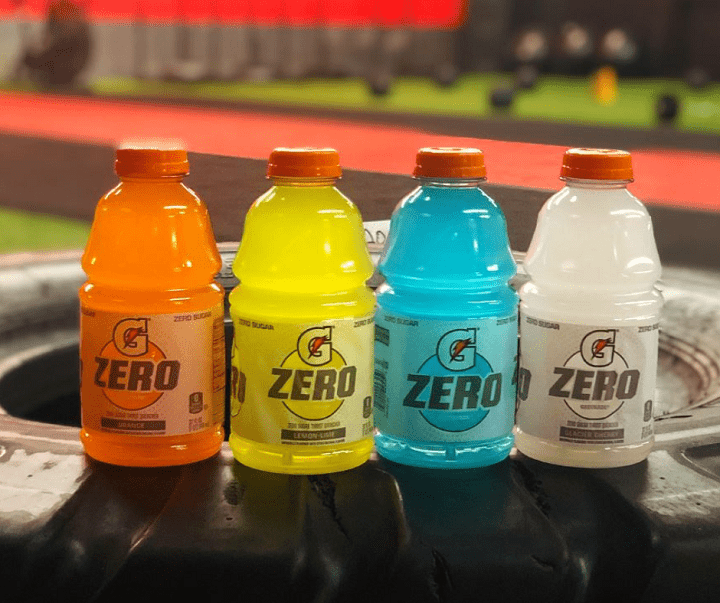
When it comes to weight loss, the foods and beverages you choose to consume play a significant role in achieving your goals. Among the many beverages available, Gatorade is a popular choice for athletes and those looking for hydration. However, its suitability for a weight loss-focused diet plan is a topic that warrants exploration. In this blog post, we will delve into the question, “Is Gatorade good for weight loss?” from a nutritionist’s perspective and provide insights to help you make informed dietary decisions.
Understanding Gatorade
Gatorade is a well-known sports drink developed in 1965 by a team of researchers at the University of Florida. Initially created to help athletes stay hydrated and replenish electrolytes lost through sweat during intense physical activity, Gatorade has since become a household name and is available in various flavors and formulations.
The key components of Gatorade include:
- Water: The primary ingredient in Gatorade is water, making it an effective hydrating beverage.
- Carbohydrates: Gatorade contains carbohydrates, typically in the form of sugars like sucrose and glucose. These carbohydrates provide a quick source of energy.
- Electrolytes: Gatorade contains electrolytes such as sodium, potassium, and magnesium. Electrolytes help maintain proper fluid balance and support muscle function.
- Flavorings: Gatorade is flavored to enhance its taste and appeal to consumers.
Is Gatorade Good for Weight Loss?
The suitability of Gatorade for a weight loss-focused diet plan depends on various factors and considerations. Let’s explore the topic in-depth:
Calories and Sugar Content:
One of the primary concerns when assessing whether Gatorade is good for weight loss is its calorie and sugar content. Many Gatorade products, especially those in traditional formulations, contain added sugars that contribute to their sweet taste. Consuming beverages high in added sugars can lead to excess calorie intake, which is counterproductive for weight loss.
Nutritionist’s Insight: To support weight loss, it’s essential to manage your calorie intake. If you choose to include Gatorade in your diet, opt for the lower-calorie and sugar-free versions available. These alternatives can help reduce your overall calorie consumption.
Hydration and Exercise:
Gatorade was originally designed to address the hydration needs of athletes engaged in vigorous physical activity. For individuals who engage in prolonged and intense exercise, especially in hot and humid conditions, Gatorade can be beneficial for maintaining proper hydration and electrolyte balance.
Nutritionist’s Insight: If you are engaging in strenuous workouts, Gatorade can help you stay hydrated and maintain energy levels. However, if your goal is weight loss, be mindful of the calories consumed during exercise, and consider opting for lower-calorie hydration options.
Timing and Portion Control:
Another crucial aspect to consider is the timing and portion control of Gatorade consumption. Drinking Gatorade in appropriate amounts during or after intense exercise can aid in recovery and replenish lost fluids and electrolytes. However, consuming Gatorade as a casual beverage throughout the day may lead to unnecessary calorie intake.
Nutritionist’s Insight: Use Gatorade strategically, primarily when engaged in rigorous physical activity. Avoid excessive consumption outside of exercise periods to prevent additional calorie intake.
Nutrient Profile:
Gatorade contains carbohydrates and electrolytes, which can be beneficial for athletes but may not align with the nutrient profile of a typical weight loss-focused diet plan. Weight loss diets often prioritize foods and beverages that are lower in carbohydrates and sugars.
Nutritionist’s Insight: If you are on a weight loss-focused diet plan, consider obtaining carbohydrates and electrolytes from whole foods like fruits, vegetables, and lean proteins, rather than relying on Gatorade.
Sugar-Free and Low-Calorie Options:
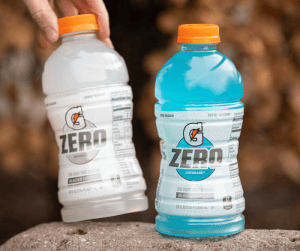
Gatorade offers sugar-free and low-calorie alternatives to its traditional formulations. These options are designed to provide hydration and electrolyte replenishment with reduced calorie and sugar content.
Nutritionist’s Insight: Opting for sugar-free or low-calorie Gatorade options can be a more suitable choice within a weight loss-focused diet plan. However, it’s essential to maintain balance and moderation in consumption.
Related Post:
Is Monster Energy Bad for You? 8 FAQs Answered About the Pros and Cons of This Drink
Top 10 Starbucks Toffee Nut Syrup Recipes and Their Insights
When Does Starbucks Open? 7 Common Questions Answered About Starbucks
In conclusion, the suitability of Gatorade for a weight loss-focused diet plan depends on several factors, including your specific dietary goals, activity level, and overall calorie management. While Gatorade can be beneficial for athletes and individuals engaged in vigorous exercise, it may not align with the calorie and sugar restrictions often associated with weight loss diets.
If you choose to include Gatorade in your diet while pursuing weight loss, consider the following recommendations:
- Select Lower-Calorie Options: Opt for sugar-free or low-calorie Gatorade alternatives to reduce your calorie intake.
- Use Gatorade Strategically: Consume Gatorade primarily during and after intense physical activity to support hydration and recovery.
- Practice Portion Control: Be mindful of the quantity of Gatorade you consume to avoid excessive calorie intake.
- Prioritize Whole Foods: Obtain essential nutrients like carbohydrates and electrolytes from whole foods within your diet plan.
Ultimately, Gatorade can have a place in a weight loss-focused diet when consumed thoughtfully and in moderation. However, it’s essential to consider your specific dietary needs and goals and consult with a healthcare professional or nutritionist if you have concerns or questions about its inclusion in your diet plan.