


Lattes, with their creamy texture and rich espresso flavor, have become a staple in coffee culture worldwide. Whether enjoyed as a morning ritual or a midday indulgence, lattes offer a comforting blend of espresso and steamed milk that satisfies the senses. But for those mindful of their caffeine intake or simply curious about their coffee choices, understanding the caffeine content of a latte is essential. In this comprehensive guide, we’ll delve into the caffeine content of lattes, explore their ingredients, discuss brewing methods, and examine their appeal among coffee enthusiasts.
Lattes
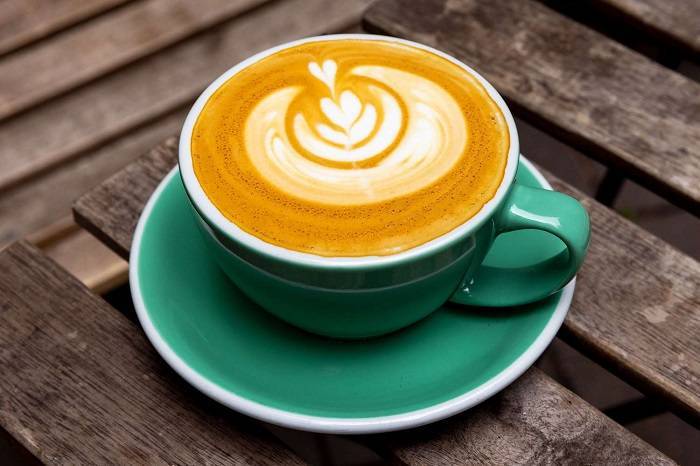
Before we dive into the caffeine content, let’s first understand what a latte is all about. A latte, short for “caffè latte” in Italian, is a popular coffee beverage made with espresso and steamed milk. It’s known for its smooth and velvety texture, as well as its creamy mouthfeel and balanced flavor profile.
The traditional latte consists of one or more shots of espresso, combined with steamed milk and topped with a thin layer of milk foam. Lattes can be customized with various flavorings, such as syrups or spices, to create different taste experiences, making them a versatile and customizable beverage option.
Exploring the Ingredients
To understand the caffeine content of a latte, let’s take a closer look at its ingredients:
- Espresso: The base of a latte is espresso, a concentrated coffee beverage made by forcing hot water through finely ground coffee beans. Espresso is known for its intense flavor and high caffeine concentration, making it the primary source of caffeine in a latte.
- Milk: Lattes are made with steamed milk, which adds creaminess and sweetness to the beverage. The milk used in lattes can vary, with options including whole milk, skim milk, almond milk, soy milk, or oat milk, depending on individual preferences and dietary restrictions.
- Milk Foam: A latte is typically topped with a layer of milk foam, which adds texture and visual appeal to the drink. The foam is created by aerating the milk with steam, resulting in a light and airy topping.
Does a Latte Contain Caffeine?
Yes, lattes do contain caffeine. The caffeine content in a latte comes primarily from the espresso used as the base of the beverage. However, the amount of caffeine can vary depending on factors such as the number of espresso shots and the size of the drink.
How Much Caffeine is in a Latte?
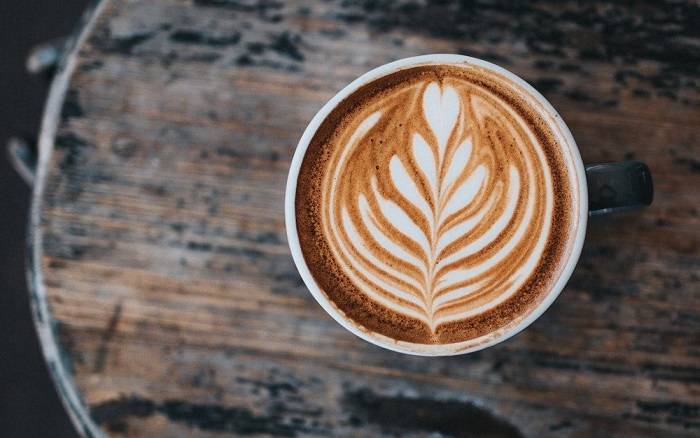
The caffeine content in a latte can vary depending on several factors:
- Number of Espresso Shots: The standard recipe for a latte typically includes one or two shots of espresso. Each shot of espresso contains approximately 63 milligrams of caffeine.
- Size of the Drink: The size of the latte will also affect the caffeine content. A larger latte will contain more espresso and therefore more caffeine than a smaller one.
Based on these factors, here’s a general estimate of the caffeine content in different sizes of lattes:
- Single Shot (8 fl oz): Approximately 63 milligrams of caffeine.
- Double Shot (12 fl oz): Approximately 126 milligrams of caffeine.
- Triple Shot (16 fl oz): Approximately 189 milligrams of caffeine.
It’s important to note that these values are approximate and may vary depending on factors such as the specific espresso blend used, brewing techniques, and individual variations in caffeine sensitivity.
Factors Affecting Caffeine Content
Several factors can influence the caffeine content in a latte:
- Type of Espresso: Different espresso blends may contain varying amounts of caffeine, depending on factors such as the type of coffee beans used and the roasting process.
- Brewing Method: The brewing method used to extract the espresso can affect the caffeine concentration. Factors such as grind size, water temperature, and extraction time can impact the final caffeine content of the espresso.
- Number of Shots: Lattes can be customized with different numbers of espresso shots, which will affect the overall caffeine content of the beverage.
- Type of Milk: The type of milk used in a latte can also influence the caffeine content. For example, milk alternatives such as almond milk or oat milk may contain less protein than dairy milk, resulting in a slightly lower overall caffeine content.
Enjoying a Latte Responsibly
While lattes offer a delicious and satisfying coffee experience, it’s essential to consume them responsibly and in moderation. Here are some tips for enjoying a latte responsibly:
- Be Mindful of Caffeine Intake: Be aware of your caffeine sensitivity and tolerance levels, and choose the appropriate size and number of espresso shots for your needs.
- Balance with Water: Balance your consumption of lattes with plenty of water throughout the day to stay hydrated and support overall well-being.
- Customize Wisely: Experiment with different milk options, flavorings, and brewing methods to tailor your latte to your taste preferences and dietary needs.
- Enjoy in Moderation: While lattes can be a delicious and comforting beverage, it’s best enjoyed as part of a balanced diet that includes a variety of nutritious foods and beverages.
Related Post:
Unveiling the Truth: Does Pepsi Max Have Caffeine?
Unveiling the Mystery: How Much Caffeine is in Monster Energy Zero?
Unveiling the Caffeine Content in a Bottle of Coke: What You Need to Know
Lattes offer a creamy and satisfying coffee experience enjoyed by coffee enthusiasts around the world. With their smooth texture, rich espresso flavor, and customizable options, lattes continue to be a popular choice for those seeking a comforting and indulgent beverage option.
By understanding the caffeine content, ingredients, brewing methods, and responsible consumption of lattes, coffee lovers can make informed choices about their beverage intake and enjoy the delicious taste of this classic coffee beverage responsibly. So, whether you prefer a single shot or a triple shot, savor each sip of your latte and appreciate the rich and satisfying coffee experience it provides.