

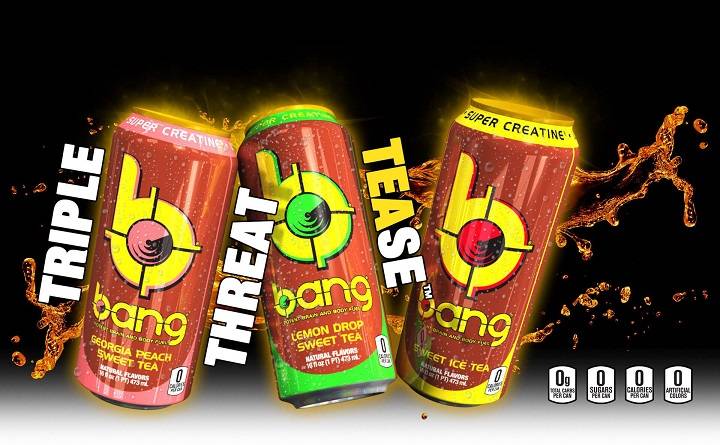
In the fast-paced world we live in, energy drinks have become a staple for many seeking a quick boost to power through their hectic schedules. One such popular brand that has garnered attention is “Bang.” However, a common query that lingers in the minds of consumers is, “Does Bang have alcohol?” In this comprehensive exploration, we’ll delve into the ingredients of Bang energy drinks, address concerns regarding alcohol content, and shed light on the beverage’s overall impact on health.
Unpacking the Ingredients

Caffeine Powerhouse
Bang is renowned for its potent caffeine content, derived from natural sources such as coffee beans and tea leaves. The caffeine in Bang is a key player in providing that much-needed energy kick without the crash associated with sugary alternatives.
Amino Acids: The Building Blocks
A unique feature of Bang is its inclusion of essential amino acids. These compounds are crucial for muscle development and overall well-being. They contribute to Bang’s reputation as a fitness-friendly beverage, attracting consumers looking for an energy boost without compromising on their health goals.
Super Creatine: Myth or Magic?
Bang claims to contain a proprietary blend of creatine called “Super Creatine.” Despite its name, Super Creatine isn’t your typical creatine monohydrate found in many fitness supplements. We’ll explore the science behind this special ingredient and its potential impact on the body.
Addressing the Alcohol Concern
Alcohol-Free Assurance
The core appeal of energy drinks like Bang is their ability to provide a quick and non-alcoholic energy boost. Rest assured, Bang does not contain alcohol in its standard formulations. Consumers can enjoy the benefits of increased focus and energy without worrying about the negative effects associated with alcohol consumption.
Variants and Flavors: Reading the Labels
While the classic Bang energy drink is alcohol-free, it’s essential to scrutinize variant labels. Some flavored versions may contain negligible alcohol traces due to the fermentation process involved in flavor production. We’ll guide you on how to read labels effectively to make an informed choice.
The Health Perspective
Moderation is Key
As with any energy drink, moderation is crucial. Excessive consumption of caffeinated beverages can lead to adverse health effects, including insomnia, increased heart rate, and anxiety. We’ll provide insights into the recommended daily limits and how to incorporate Bang into a balanced lifestyle.
Sugar-Free Advantage
One standout feature of Bang is its commitment to being sugar-free. We’ll explore the impact of artificial sweeteners on health and whether the absence of sugar makes Bang a healthier choice compared to its sugary counterparts.
The Alcohol Question
After a thorough examination of Bang Energy’s ingredients, it is clear that alcohol is not listed as one of them. Bang is designed to provide an energy boost through a combination of stimulants, amino acids, and other performance-enhancing compounds, without resorting to alcohol.
Health Considerations
While Bang Energy does not contain alcohol, it is crucial to highlight that excessive consumption of energy drinks, including Bang, can have adverse health effects. High levels of caffeine may lead to insomnia, increased heart rate, and jitteriness. Additionally, individuals with certain health conditions should consult with a healthcare professional before consuming energy drinks.
Related Post:
Starbucks Calories Calculator: A Comprehensive Guide to Making Informed Choices
Is Guru Healthy? Unraveling the Mysteries of This Trendy Beverage
Is Starbucks Water Free? Unveiling the Truth Behind Your Cup of H2O
Bang Energy Drink does not contain alcohol. It is a caffeinated beverage with a unique blend of amino acids and other ingredients designed to enhance physical and mental performance. As with any energy drink, moderation is key, and individuals with health concerns should consult with healthcare professionals before incorporating it into their routine. Understanding the ingredients and being aware of potential health implications empowers consumers to make informed decisions about their beverage choices.