

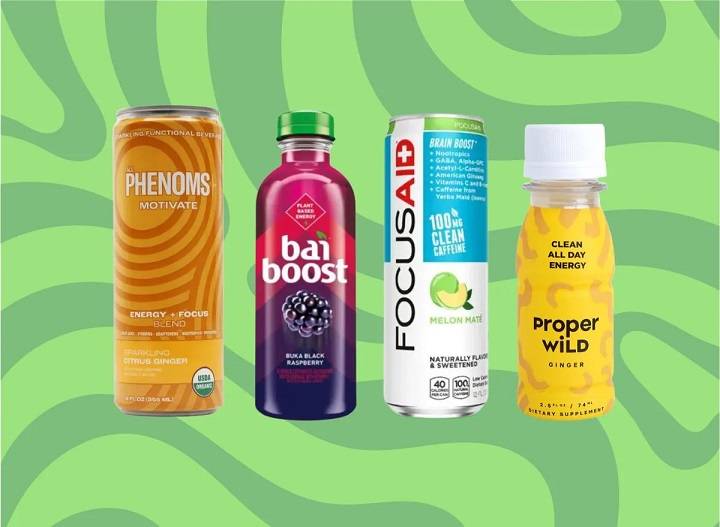
Boost is a popular nutritional supplement known for its ability to provide essential nutrients and energy to individuals who may have difficulty meeting their nutritional needs through diet alone. With its range of flavors and formulations, Boost has become a staple in many households. One common question among consumers is whether Boost contains caffeine. In this blog post, we’ll delve into the ingredients of Boost, explore its caffeine content, discuss its potential benefits and drawbacks, and provide recommendations for consumption.
Understanding Boost:
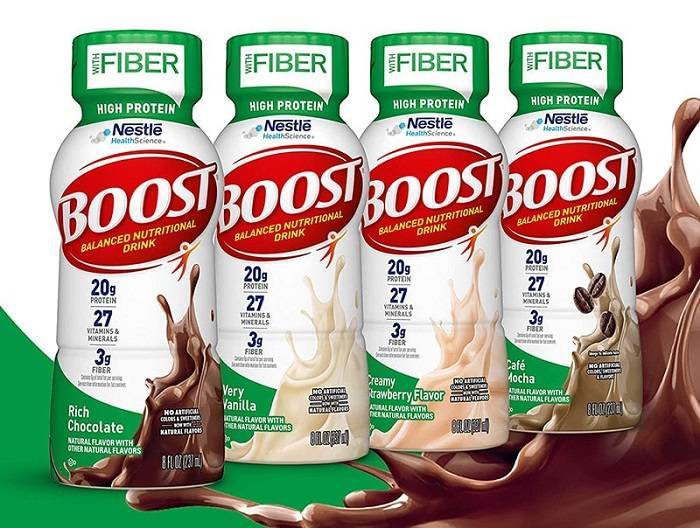
Boost is a brand of nutritional drinks manufactured by Nestlé Health Science. It is designed to provide a convenient source of nutrition for individuals who may have increased nutritional requirements due to illness, surgery, aging, or other factors. Boost drinks typically come in liquid form and are available in a variety of flavors, including chocolate, vanilla, and strawberry.
Ingredients of Boost:
The ingredients of Boost can vary depending on the specific formulation and flavor. However, common ingredients found in Boost drinks include:
- Protein: Boost drinks often contain protein sources such as milk protein concentrate, whey protein concentrate, or soy protein isolate. Protein is essential for muscle repair and maintenance, as well as overall health and wellness.
- Carbohydrates: Boost drinks typically contain carbohydrates in the form of sugars (e.g., sucrose, fructose) and complex carbohydrates (e.g., maltodextrin). Carbohydrates provide the body with energy and help fuel physical activity.
- Vitamins and Minerals: Boost drinks are fortified with essential vitamins and minerals, including vitamin D, calcium, potassium, and iron. These nutrients are important for supporting overall health and well-being.
- Fiber: Some varieties of Boost may contain added fiber, such as inulin or soluble corn fiber. Fiber is important for digestive health and can help promote regularity.
- Other Ingredients: Depending on the specific formulation, Boost drinks may contain additional ingredients such as vegetable oils, flavorings, and stabilizers.
Does Boost Contain Caffeine?
The short answer is no, Boost does not contain caffeine. Caffeine is not listed as an ingredient in any of the Boost formulations currently available on the market. Instead, Boost relies on other ingredients such as protein, carbohydrates, vitamins, and minerals to provide energy and support overall health.
Benefits of Caffeine-Free Boost:
- Suitable for Individuals Sensitive to Caffeine: Some individuals may be sensitive to caffeine or prefer to limit their caffeine intake due to health reasons. Caffeine-free Boost provides an alternative option for these individuals to meet their nutritional needs without the stimulant effects of caffeine.
- Safe for Certain Medical Conditions: Caffeine-free Boost may be suitable for individuals with certain medical conditions or dietary restrictions that require them to avoid caffeine. Examples include heart conditions, anxiety disorders, and pregnancy.
- Promotes Restful Sleep: Consuming caffeine-free Boost in the evening or before bedtime is unlikely to interfere with sleep quality, making it a suitable option for individuals who prefer to avoid caffeine in the evening.
Drawbacks of Caffeine-Free Boost:
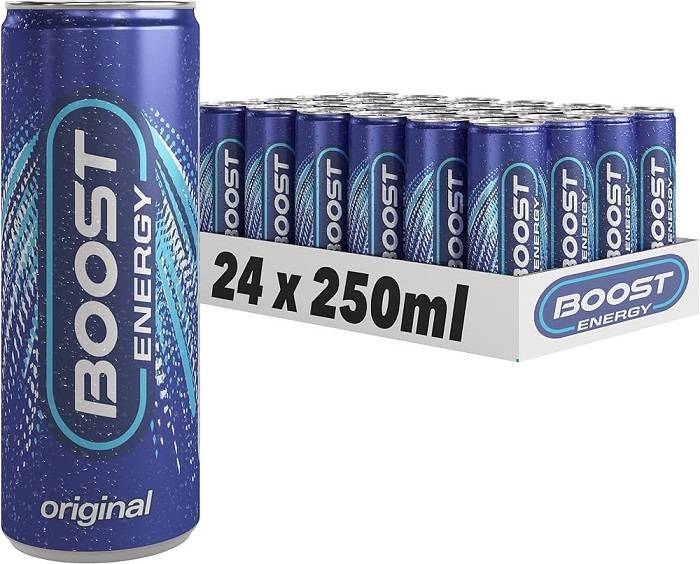
- Lack of Stimulant Effect: Unlike caffeinated beverages, caffeine-free Boost does not provide the stimulating effects of caffeine, which some individuals may find beneficial for boosting alertness and focus.
- Limited Flavor Options: While Boost offers a variety of flavors, the absence of caffeine may limit the flavor profile compared to caffeinated energy drinks or beverages.
Recommendations for Consumption:
- Choose the Right Formulation: Boost offers a range of formulations tailored to different nutritional needs, including high protein, low sugar, and high-calorie options. Choose the formulation that best suits your dietary goals and preferences.
- Incorporate into a Balanced Diet: While Boost can be a convenient way to supplement your nutrition, it should not replace whole foods in your diet. Be sure to incorporate a variety of nutrient-rich foods such as fruits, vegetables, whole grains, lean proteins, and healthy fats into your meals and snacks.
- Consult with a Healthcare Professional: If you have specific dietary needs or medical conditions, consult with a healthcare professional or registered dietitian before incorporating Boost or any other nutritional supplement into your diet.
Related Post:
Exploring the Caffeine Content and Health Effects of Monster Hydro Energy Drink
Exploring the Caffeine Content and Effects of Advocare Spark
Exploring Energy Drinks with Erythritol: Benefits, Risks, and Ingredients
Exploring Discontinued Energy Drinks: A Look Back at Forgotten Favorites
In summary, Boost is a caffeine-free nutritional supplement designed to provide essential nutrients and energy to individuals who may have increased nutritional needs. While Boost does not contain caffeine, it offers a convenient and versatile option for supplementing your diet and supporting overall health and well-being. By choosing the right formulation and incorporating Boost into a balanced diet, you can enjoy the benefits of this nutritional supplement while meeting your unique dietary needs and preferences.