

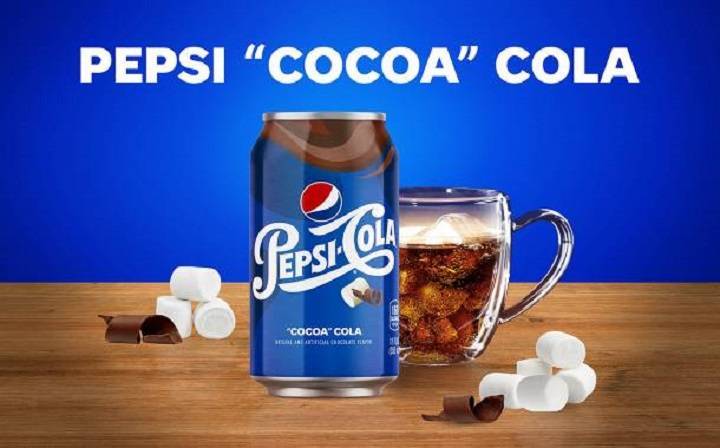
Pepsi is one of the most popular carbonated soft drinks worldwide, loved for its refreshing taste and wide variety of flavors. However, there’s often confusion surrounding whether Pepsi contains caffeine or not. In this blog post, we’ll explore the caffeine content of Pepsi, its effects on the body, and how it compares to other caffeinated beverages.
Understanding Pepsi
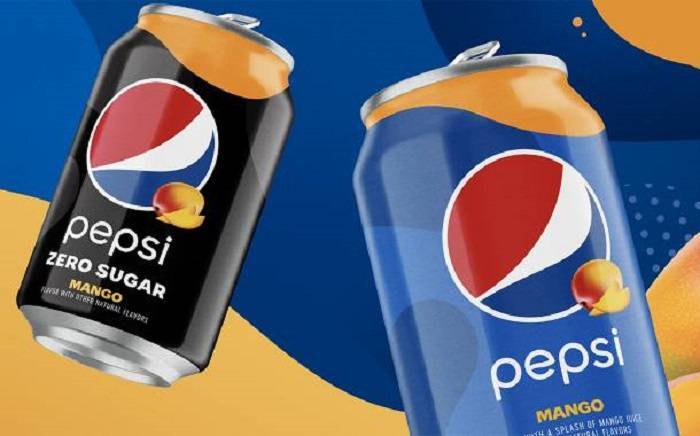
Pepsi is a carbonated soft drink produced by PepsiCo, first introduced in 1893 as “Brad’s Drink” by Caleb Bradham. Over the years, Pepsi has evolved into one of the leading cola brands globally, offering a range of flavors, including Pepsi Original, Pepsi Max, Pepsi Wild Cherry, and more. The beverage is known for its sweet, slightly citrusy flavor and effervescent bubbles.
Ingredients of Pepsi
To understand whether Pepsi contains caffeine, let’s take a closer look at its ingredients:
- Carbonated Water: The primary ingredient in Pepsi is carbonated water, which gives the beverage its fizziness.
- High Fructose Corn Syrup (HFCS) or Sugar: Pepsi typically contains high fructose corn syrup or sugar, providing sweetness and contributing to its flavor profile.
- Caramel Color: Caramel color is added to Pepsi to give it its distinctive amber hue.
- Phosphoric Acid: Phosphoric acid is used to add tartness to Pepsi and enhance its flavor.
- Natural Flavors: Pepsi contains a blend of natural flavors to achieve its unique taste.
- Caffeine: While not present in all Pepsi variants, many Pepsi products do contain caffeine, which we’ll explore in more detail shortly.
- Additional Ingredients: Depending on the specific formulation, Pepsi may also contain preservatives, acids, and other additives to enhance its taste and shelf life.
Does Pepsi Contain Caffeine?
Yes, many Pepsi products contain caffeine, including Pepsi Original (Pepsi-Cola) and Pepsi Max. However, there are also caffeine-free versions available, such as Caffeine-Free Pepsi and Caffeine-Free Pepsi Max. The caffeine content of Pepsi can vary depending on the product and serving size.
Caffeine Content of Pepsi
The caffeine content of Pepsi varies depending on the product and serving size. Here’s a general overview of the caffeine content in popular Pepsi beverages:
- Pepsi Original (Pepsi-Cola): A standard 12-ounce (355 mL) can of Pepsi Original typically contains approximately 35 milligrams of caffeine.
- Pepsi Max: Pepsi Max is a sugar-free variant of Pepsi that contains more caffeine than Pepsi Original. A 12-ounce (355 mL) can of Pepsi Max typically contains around 69 milligrams of caffeine.
- Caffeine-Free Pepsi: As the name suggests, Caffeine-Free Pepsi does not contain any caffeine. It offers the same great taste as regular Pepsi but without the stimulating effects of caffeine.
- Caffeine-Free Pepsi Max: Similar to Caffeine-Free Pepsi, Caffeine-Free Pepsi Max is also free from caffeine, making it suitable for individuals looking to avoid caffeine in their diet.
Effects of Caffeine in Pepsi
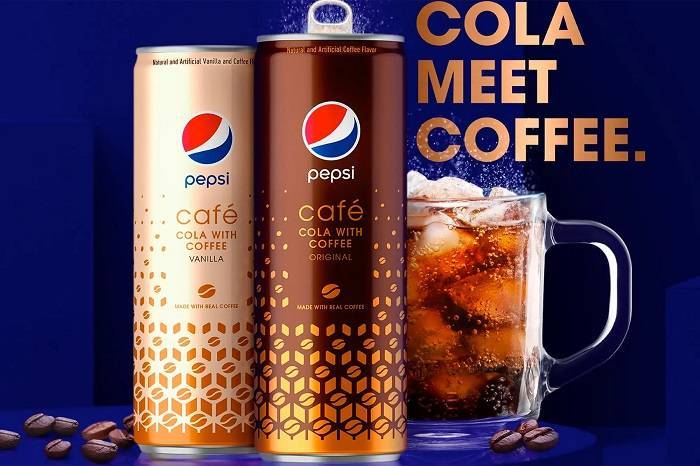
Caffeine is a natural stimulant that affects the central nervous system, leading to increased alertness, improved concentration, and reduced fatigue. When consumed in moderation, caffeine can provide temporary benefits such as enhanced cognitive function and physical performance. However, excessive caffeine consumption can lead to negative side effects, including:
- Insomnia: Consuming large amounts of caffeine, especially close to bedtime, can interfere with sleep patterns and contribute to insomnia.
- Increased Heart Rate and Blood Pressure: Caffeine stimulates the release of adrenaline, which can temporarily increase heart rate and blood pressure, particularly in individuals sensitive to caffeine.
- Anxiety and Jitters: High doses of caffeine may cause feelings of anxiety, nervousness, and jitteriness, especially in individuals prone to caffeine sensitivity.
- Digestive Issues: Some individuals may experience gastrointestinal discomfort, including nausea, stomach pain, and diarrhea, as a result of consuming excessive caffeine.
Safety Considerations
While moderate caffeine consumption is generally considered safe for most adults, it’s essential to be mindful of your overall caffeine intake and monitor your body’s response to caffeinated beverages like Pepsi. Pregnant women, individuals with certain medical conditions (such as heart disease or anxiety disorders), and those sensitive to caffeine should exercise caution and consult with a healthcare professional before consuming caffeinated beverages.
Alternatives to Caffeinated Pepsi
For individuals looking to reduce their caffeine intake or avoid caffeine altogether, there are plenty of options available. Consider opting for:
- Caffeine-Free Pepsi: Enjoy the same great taste of Pepsi without the stimulating effects of caffeine by choosing Caffeine-Free Pepsi or Caffeine-Free Pepsi Max.
- Other Caffeine-Free Soft Drinks: Many soft drink brands offer caffeine-free versions of their popular beverages, providing a wide selection of caffeine-free options.
- Herbal Teas: Herbal teas, such as chamomile, peppermint, and rooibos, are naturally caffeine-free and offer a soothing alternative to caffeinated beverages.
- Water: Stay hydrated with plain water, which is free from caffeine and essential for overall health and well-being.
Related Post:
Unveiling the Caffeine Content of Mountain Dew: A Comprehensive Guide
Demystifying Decaf Tea: Understanding Caffeine Content and Health Benefits
Unveiling the Caffeine Content of Green Tea: A Comprehensive Guide
Unveiling the Caffeine Content of RC Cola: What You Need to Know
While many Pepsi products contain caffeine, there are also caffeine-free options available for individuals looking to limit their caffeine intake. By understanding the caffeine content of Pepsi and exploring caffeine-free alternatives, you can make informed choices about your beverage consumption and maintain a balanced lifestyle. Remember to consume caffeine in moderation and be mindful of its effects on your body.